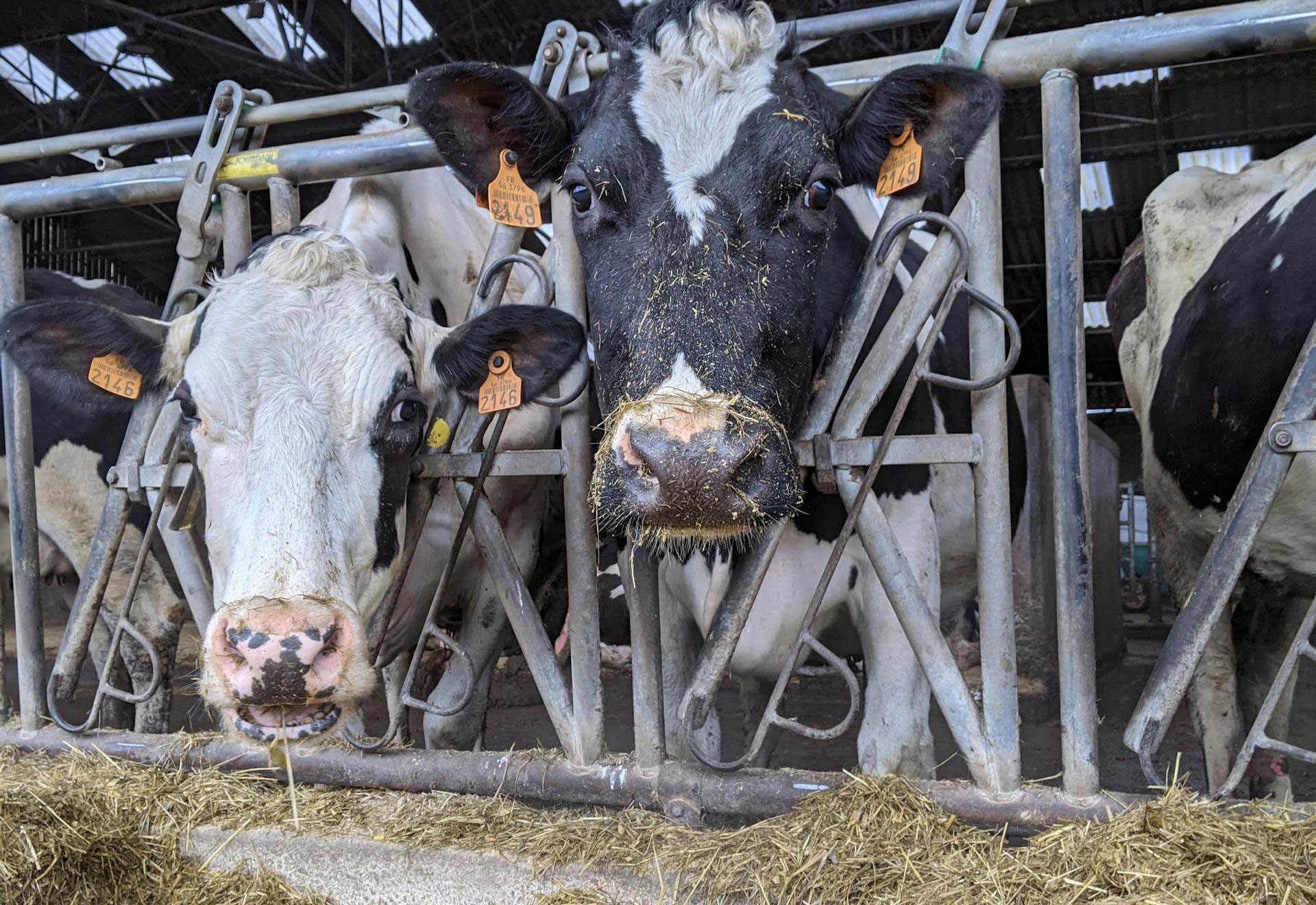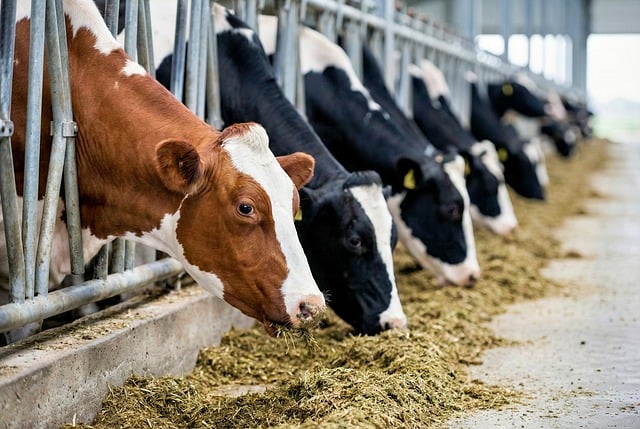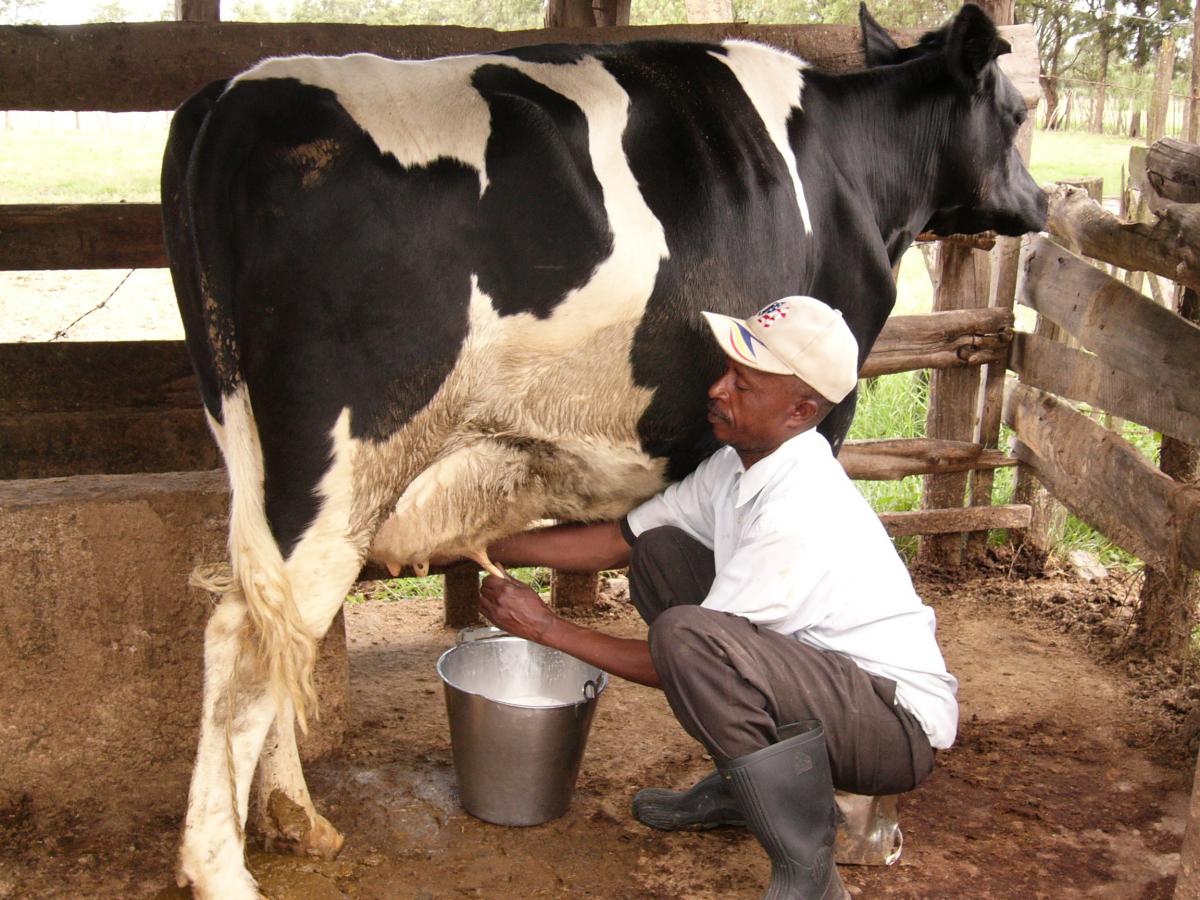
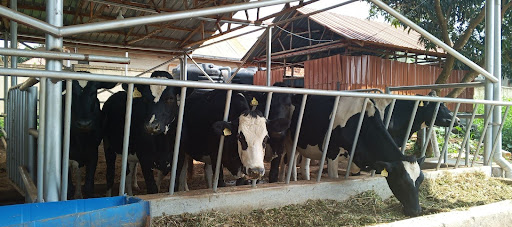
Livestock farming in Uganda (especially dairy farming and zero-grazing systems) has become more commercial and profit-focused than ever before. However, many farmers still struggle with inconsistent milk yields, poor fertility, high veterinary costs, and unpredictable performance. In most cases, the root cause is not the breed or disease, it is feeding.
Below are the most frequent feeding mistakes observed across Ugandan farms, and how to correct them.
1. Inconsistent Feed Quality
One of the biggest feeding mistakes in Uganda is buying forage based purely on price or emergency need. During shortages, farmers often purchase whatever is available without checking quality.
Low-quality hay may contain:-
- Excess dust.
- Mold or fungal contamination.
- Over-dried, nutrient-poor stalks.
- Foreign materials.
Poor-quality maize silage may have:-
- Improper fermentation.
- Bad smell (odor).
- Excess moisture.
- Nutrient imbalance.
- When animals (cattle) consume low-quality forage, the results are:-
- Reduced milk yield.
- Poor digestion.
- Weakened immune system.
- Higher veterinary bills.
What to do instead:
Always assess forage for:-
- Uniform color.
- Fresh smell (pleasant fermented smell for Maize silage).
- Proper texture (not overly dusty or soggy for Hay).
Consistent quality forage leads to consistent production.

2. Feeding Without Proper Portion Control
Many farmers feed “by estimation” instead of by measured portions. While this may seem practical, it often leads to:
- Underfeeding high-producing cows.
- Overfeeding low-production animals.
- Unequal nutrient distribution.
- Feed wastage.
Underfeeding leads to weight loss, reduced milk yield, and delayed heat cycles. Overfeeding can cause metabolic disorders and unnecessary expenses.
What to do instead:
Feeding should consider:
- Animal weight
- Lactation stage
- Milk output
- Body condition score
Balanced feeding improves rumen function, digestion efficiency, and nutrient absorption.
3. Relying on Only One Type of Forage
Some farmers feed only hay. Others feed only maize silage. Both approaches create nutritional imbalance.
Hay provides:-
- Fiber.
- Rumen stimulation.
- Digestive stability.
Maize silage provides:-
- Energy.
- Improved milk yield.
- Palatability.
Feeding only one type limits performance. For example:
- Too much hay → lower energy → reduced milk production
- Too much maize silage without fiber → digestive disturbances
What to do instead:
Combine hay and maize silage strategically:
- Hay supports rumen health
- Silage boosts energy and milk output
A balanced combination improves milk consistency and overall herd performance.
4. Poor Feed Storage Practices
In urban zero-grazing setups, storage space is limited. Many farmers store forage:-
- Directly on the ground.
- Exposed to rain.
- Without ventilation.
- Without resealing opened silage.
Moisture exposure leads to:-
- Mold growth
- Nutrient loss
- Reduced shelf life
- Increased waste
Spoiled feeds can reduce intake and cause digestive issues.
What to do instead:
- Store hay off the ground
- Use raised platforms or pallets
- Keep maize silage in airtight packaging
- Protect feeds from rain and humidity
Proper storage protects both nutrition and investment.

5. Ignoring Seasonal Feeding Adjustments
In Uganda, seasonal changes significantly affect feed availability and animal energy requirements.
During dry seasons:-
- Natural pasture reduces
- Heat stress increases
- Energy demands rise
However, many farmers do not adjust feeding plans accordingly. This results in milk drops and weight loss.
What to do instead:
- Plan dry season feeding during rainy season
- Secure adequate hay and maize silage in advance
- Create a feeding calendar
Prepared farms avoid emergency buying at inflated prices.
6. Treating Feeding as a Cost Instead of an Investment
Perhaps the most important mistake is viewing animal feeds purely as an expense rather than a productivity tool.
Proper nutrition affects:
- Milk yield
- Milk quality
- Fertility
- Calving intervals
- Drug costs
- Farm profitability
Nutrition is one of the factors that determines whether a farm operates predictably or struggles constantly.
Final Thoughts
Most feeding challenges are preventable. With the right knowledge and consistent forage quality, farmers can:
- Stabilize milk production.
- Reduce health risks.
- Improve fertility.
- Plan their business confidently.
- Better feeding is not about spending more, it’s about feeding correctly.
In my next article, "How to Improve Milk Production in Uganda Through Proper Feeding", I'll share detailed insights into practical feeding strategies to improve milk production in Uganda. Stay connected as we continue to discover how balanced hay and maize silage nutrition increases yield naturally.
If you would like guidance on improving your animal feeding system or securing consistent-quality hay and maize silage, confirm your order from our website or from one of our authorised dealers in the different locations.
😉 Call / Whats-App to confirm your Hay or Maize silage ORDER NOW!
📲📞 +256 790 810 337
📲📞 +256 702 350 821
📲 📞+256 702 760 564
📩 Email: kampala@radiantfarmug.com
Website: https://radiantfarmug.com/
📍 Farm Location: Plot 5 Kitotolo Road, Nsangabwami Kikandwa, Mityana - Uganda.
By Oliver Namirimu,
Oliver Namirimu is the Manager- Production and Operations at Radiant Farm, specializing in sustainable farming practices and animal nutrition.
Please subscribe to our newsletter ( https://radiantfarmug.com/ ) for more updates from Radiant Farm Uganda.